
The record · field guide
Identifying cast iron, and reading the mark.
A gate marked with a name is a gate telling you who made it. Most people walk past the clue. Here's how to tell cast iron from wrought, find the foundry mark, and read what a casting is actually telling you about where it came from.
Architectural iron isn’t anonymous — it’s just quiet. The difference between yard scrap and a documented original is usually a few minutes of looking in the right places. Three things to read: the metal, the mark, and the seams.
1 · Cast iron vs wrought iron
Cast iron is poured molten into a sand mould. It takes crisp, repeatable ornament; it shows faint parting lines where the mould halves met; and it’s brittle — it cracks rather than bends. Wrought iron is worked hot by hand: you’ll see tapers, slight asymmetry and hammer marks, and it bends without snapping. A row of identical, sharply detailed capitals is almost certainly cast. A one-off scroll gate with uneven, tooled curves is likely wrought.
2 · Find the foundry mark
Foundries cast their name, their city, and sometimes a patent date directly into the metal — usually on the back or the base, where it wouldn’t show on the finished building. Run your hand along the reverse of a panel, the underside of a stair tread, the foot of a column. A raised name is the single best piece of provenance a salvaged object can carry: it names the maker and brackets the date.
3 · Read the seams and the repetition
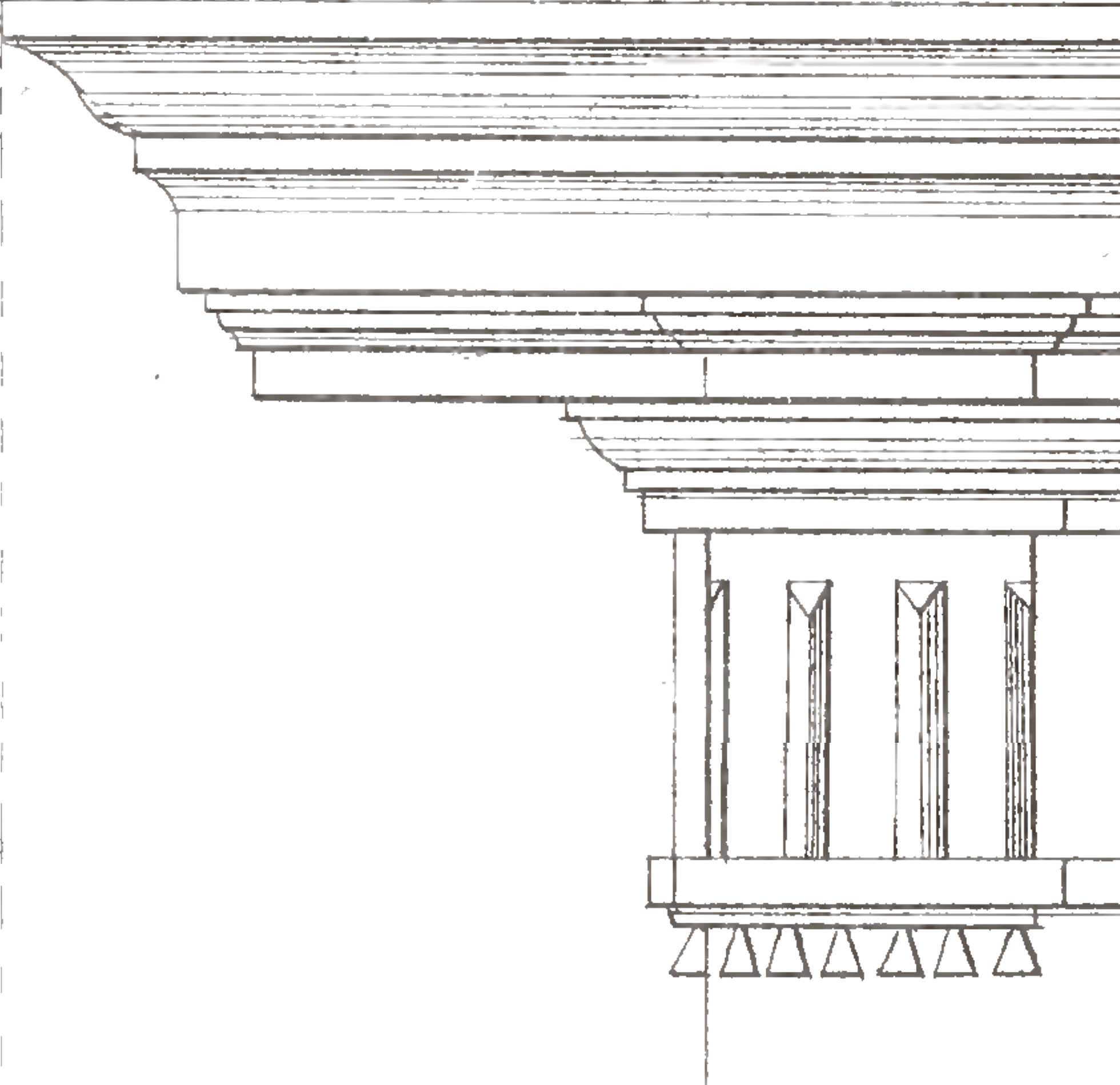
Even without a name, a casting confesses. Mould seams, identical repeated units, and bolt holes for modular assembly all say “foundry.” The pattern of the ornament can point to a catalogue — and here’s where the archive earns its keep. Matching a capital or a cornice profile against the 101 plates of the 1865 Badger catalogue can place a loose piece back into the kind of building it came from, even when the mark is worn away.
Have a marked piece you can’t place? Reading the mark against the archive is exactly what Badger does for every original on the floor.
See the documented floor →