
The record · the ironmaster
Daniel D. Badger.
Ironmaster, foundryman, and the author of the single best record of what American cast-iron architecture could make. His 1865 catalogue is the spine of this entire archive — and the name over the door.
Daniel D. Badger (1806–1884) built and ran the Architectural Iron Works of the City of New York, one of the two foundries most responsible for the cast-iron facades that still define Lower Manhattan. Badger didn’t just pour iron; he sold a system — prefabricated, catalogued architectural ironwork a builder anywhere could order and bolt up.
The foundry
Badger was an early and aggressive champion of structural and ornamental cast iron at a time when it was still being argued over. His firm produced complete storefronts, columns, cornices, window hoods, railings and ornament, and shipped them well beyond New York. His Cary Building on Chambers Street (1856–57) survives as a designated city landmark — a built argument for everything the catalogue promised.
The 1865 book
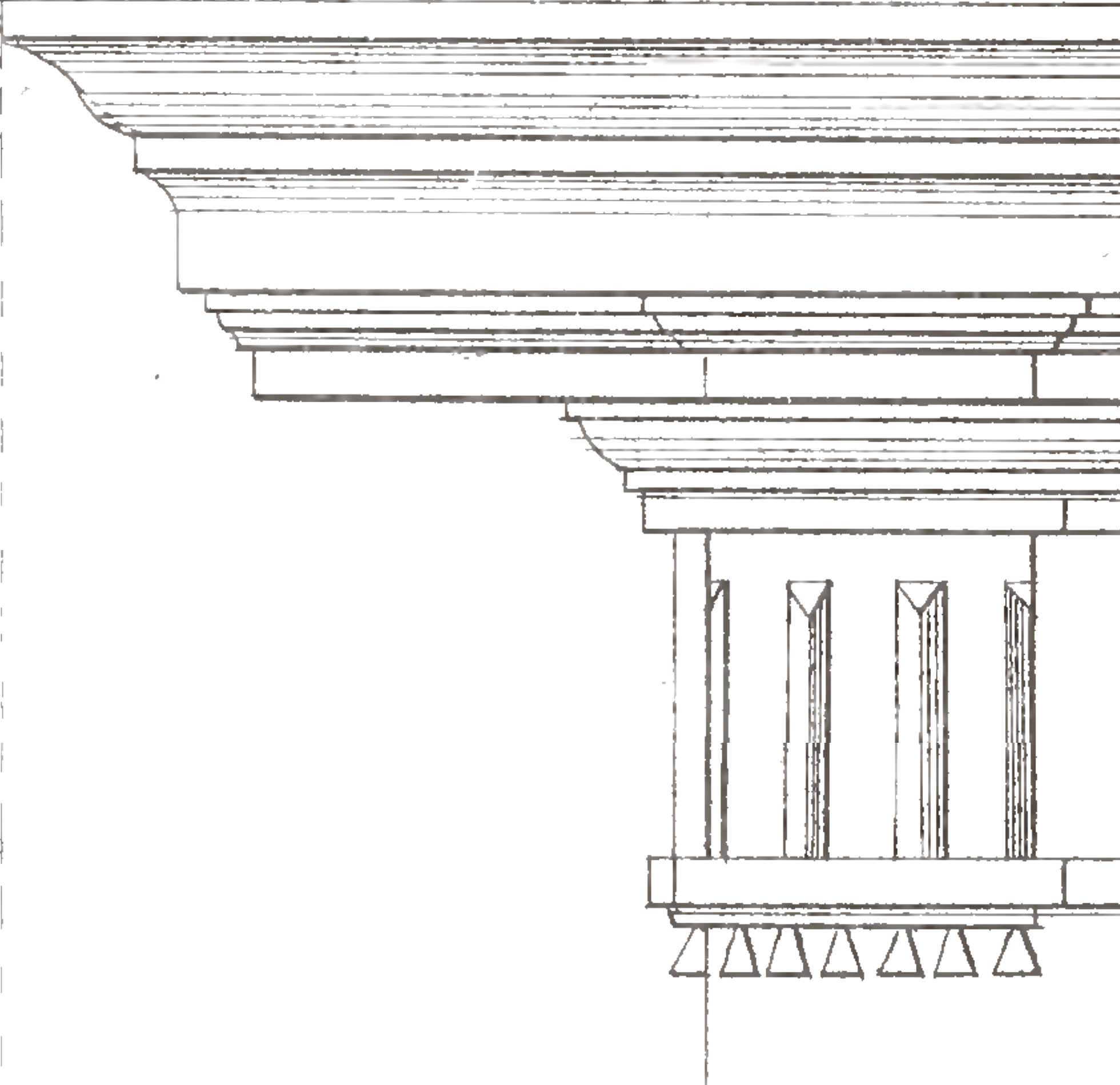
In 1865 the firm published Illustrations of Iron Architecture, Made by the Architectural Iron Works of the City of New York — 101 lithographic plates (printed by Sarony, Major & Knapp) of facades, columns, capitals, cornices and ornamental ironwork. It was a sales catalogue, but it has outlived its commercial purpose to become the most complete visual record of a vanished building trade. Badger Iron is built directly on it: the plates are digitized at 1200 DPI and offered as the archive and as fine-art prints.
Why the name still does work
The reason the name matters isn’t nostalgia — it’s reference. Holding the full Badger catalogue is what lets us look at an anonymous salvaged capital or gate and say what kind of thing it is, where it likely sat, and why it’s worth more than its weight in scrap. The ironmaster left a library; we read from it.