
The record · provenance
SoHo's cast-iron district, and how it was built.
Between Houston and Canal, Lower Manhattan holds the densest run of cast-iron architecture on earth. Those facades weren't carved — they were cast in a foundry, bolted up like furniture, and ordered out of a catalogue. One of the catalogues was Badger's.
The SoHo–Cast Iron Historic District — roughly 26 blocks of Broadway, Greene, Mercer and the streets around them — was designated by New York City in 1973 and holds the world’s greatest surviving concentration of full and partial cast-iron facades. To walk it is to read a trade catalogue at full scale: Corinthian columns, bracketed cornices and arched window bays that look hand-carved and are, in fact, iron castings bolted to the front of a brick building.
Why iron, and why here
In the 1850s and ’60s this district was the city’s dry-goods and warehouse quarter, and it needed storefronts that were grand, fire-resistant and fast to build. Cast iron answered all three. A foundry could pour an ornate column, a window hood or a whole facade bay from a reusable pattern, paint it to pass for stone, and ship it to the site to be bolted together in weeks rather than carved over months. The ornament was sold from printed catalogues, so the same Corinthian capital could face a building on Broadway and another a thousand miles away.
The Cary Building and the Badger name
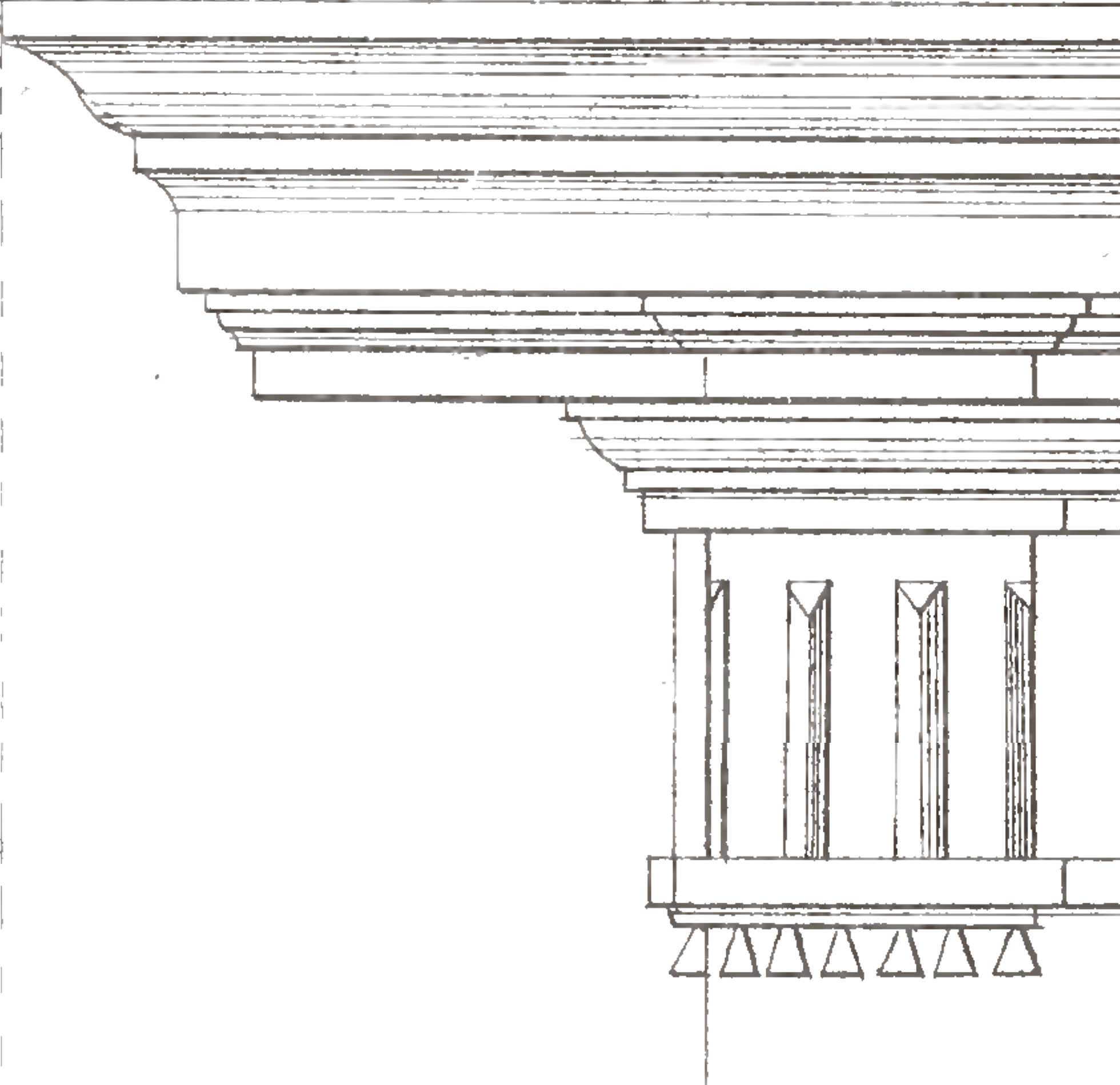
Daniel D. Badger’s Architectural Iron Works was one of the two great New York foundries driving this (Badger and James Bogardus, its rival claimant to the cast-iron front). Badger’s Cary Building on Chambers Street, 1856–57, survives as a designated New York City landmark and as a textbook example of the catalogue facade. His firm’s 1865 book, Illustrations of Iron Architecture, is the single best record of what that trade could make — 101 plates of facades, columns, cornices and ornamental ironwork.
What was lost — and why the archive matters
Much of cast-iron New York did not survive. Whole blocks came down for later development, and the iron, being valuable as scrap, was carted off and melted. What’s left standing is protected; what came down lives on in two places — the Badger plates that recorded it, and the salvaged pieces that escaped the furnace. Badger Iron works from both.